
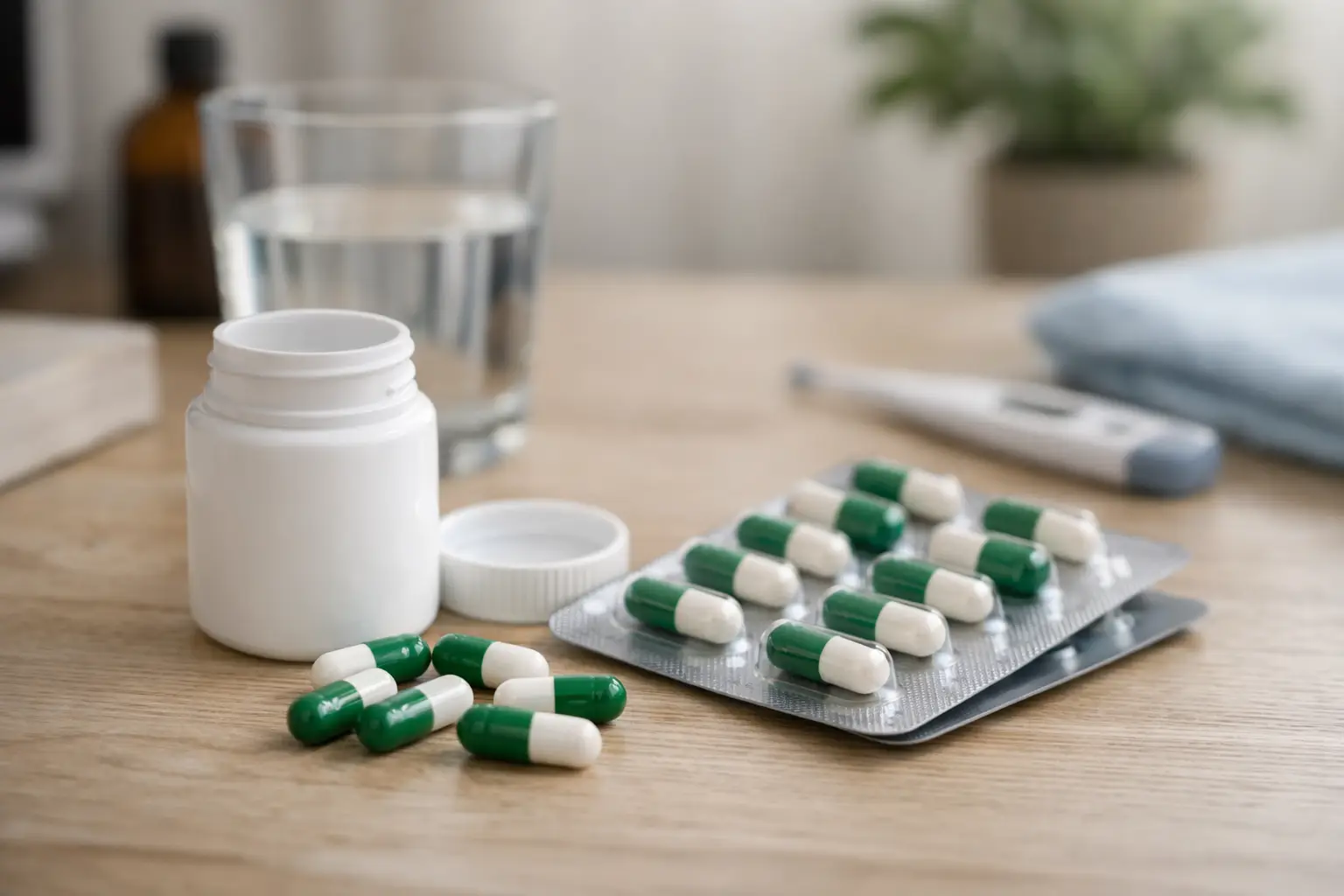

Before you decide how to use ivermectin capsules, start with the part that gets skipped too often: the right capsule, the right reason, and the right dose are not interchangeable. Ivermectin is a real medication with specific approved uses, possible drug interactions, and meaningful risks when it is taken incorrectly. Straight talk matters here. More is not better, and a product marketed for animals is not a substitute for a human medication.
How to Use Ivermectin Capsules Safely
Ivermectin is an antiparasitic medicine. In the United States, prescription human ivermectin has FDA-approved uses for certain parasitic infections, including intestinal strongyloidiasis and onchocerciasis. A clinician may also prescribe it for other conditions based on an individual medical assessment.
It is not a general-purpose detox product, a preventive supplement, or a proven treatment for viral infections. Claims that ivermectin “cleanses” the body, supports detox pathways, or treats COVID-19 are not established medical uses. If a product description makes broad promises without clearly stating what the medication is for, pause before using it.
The practical rule is simple: take ivermectin capsules only when a licensed clinician or pharmacist has confirmed that the product, strength, and dose are appropriate for you. State-level access rules can vary, but they do not erase the need for safe medication use or change federal rules governing prescription drugs.
Confirm You Have a Human Medication
Do not take livestock paste, animal tablets, injectable veterinary ivermectin, or any product labeled for horses, cattle, dogs, or other animals. Animal products may contain different concentrations, inactive ingredients, or formulations not intended for people. The packaging may look direct and simple, but the dosing math can be dangerously wrong.
Before taking a capsule, check the label for the medication name, strength, lot number, expiration date, manufacturer or dispensing pharmacy, and directions. If the label is missing, the product is loose, the capsule looks damaged, or you cannot verify where it came from, do not take it. Ask a pharmacist instead.
Human ivermectin products can come in different strengths and forms. That is exactly why copying another person’s dose or following a social-media protocol is a bad bet. Dose selection may depend on body weight, the condition being treated, liver function, other medications, and whether repeat treatment is needed.
What to Check Before Taking a Dose
Give yourself a quick, honest safety check before the first capsule. Tell the prescriber or pharmacist about every prescription medication, over-the-counter drug, supplement, and herbal product you use. This includes sleep aids, sedatives, anti-seizure medicines, blood thinners, and medications that affect the immune system.
You should also mention any history of liver disease, seizures, neurologic conditions, immune suppression, or severe allergic reactions to medications. These details are not red tape. They can change whether ivermectin is suitable, how closely you should be monitored, or whether another treatment is safer.
Pregnancy and breastfeeding deserve extra caution. If you are pregnant, trying to become pregnant, or nursing, do not make the call based on online advice or product marketing. Speak with an obstetric clinician, physician, or pharmacist who can weigh the expected benefit against the potential risk for your situation.
Children should not use ivermectin capsules based on an adult’s instructions. Pediatric dosing and suitability require individualized clinical guidance.
Follow the Directions for Your Specific Prescription
Some ivermectin regimens are taken as a single dose, while others require additional doses on a particular schedule. Whether to take it with food or on an empty stomach may also depend on the condition being treated and the instructions supplied with that prescription.
Follow the directions printed on your pharmacy label or given by your clinician. Swallow the capsule with water unless you have been told otherwise. Do not crush, open, split, or combine capsules to create a homemade dose. Do not take an extra capsule because symptoms have not changed immediately.
If you miss a dose, call the dispensing pharmacy or prescribing clinician for instructions. Avoid doubling up unless a qualified professional specifically tells you to do so. A missed dose is a question. Taking two doses without guidance can become a problem.
Store capsules in their original container, away from moisture, heat, children, and pets. A bathroom medicine cabinet can be too humid for many medications. Keep the label attached so that nobody in the household has to guess what the medication is or how it should be used.
What You May Feel, and What Should Not Be Ignored
Some people experience side effects such as nausea, diarrhea, stomach discomfort, dizziness, sleepiness, headache, rash, or itching. Depending on the infection being treated, symptoms can also result from the body’s response to dying parasites rather than the medication alone. That distinction is one reason follow-up instructions matter.
Stop using the medication and get urgent medical help for signs of a serious reaction. These include trouble breathing, swelling of the face or throat, fainting, severe confusion, loss of coordination, seizures, vision changes, severe skin reactions, or unusual weakness. Severe vomiting, significant drowsiness, or worsening neurologic symptoms also warrant prompt medical evaluation.
If you think you took too much ivermectin, do not wait for symptoms to “wear off.” Contact Poison Control at 1-800-222-1222 in the United States or seek emergency care. Have the product container available so a professional can identify the exact strength and formulation.
Avoid the Most Common Mistakes
The biggest errors tend to be predictable: using animal products, estimating a dose, combining doses, treating an unconfirmed condition, or relying on an influencer’s protocol instead of medical guidance. None of those choices makes you more prepared. They make it harder to know what you took, why you took it, and what to do if something goes wrong.
Be equally careful about using ivermectin as a substitute for testing or care when you are sick. Fever, chest pain, breathing trouble, persistent diarrhea, unexplained weight loss, or neurologic symptoms need a real assessment. A capsule cannot replace a diagnosis.
If your goal is parasite treatment, ask the direct questions: What infection is suspected or confirmed? Is ivermectin the appropriate treatment? What dose and schedule apply to my body and medical history? What symptoms mean I should call back? Clear answers beat vague promises every time.
A Practical Conversation With Your Pharmacist
Pharmacists are often the fastest source of medication-specific help. Bring the bottle or a clear photo of the label and ask whether the capsule is intended for your condition, whether it has interactions with your current medications, and what to do if a dose is missed.
You can also ask how to take that exact product, what side effects are expected, what symptoms require urgent care, and whether follow-up testing is needed. This is especially useful if you have received a medication from a new source, have a complicated medication list, or are managing a chronic health condition.
Being self-directed does not mean going it alone. It means getting clear facts, checking the label, and refusing to gamble with a medication that deserves careful use.
The best way to use ivermectin capsules is not the loudest or most convenient protocol online. It is the one matched to a verified human product, a confirmed medical need, and instructions that fit your health history.