
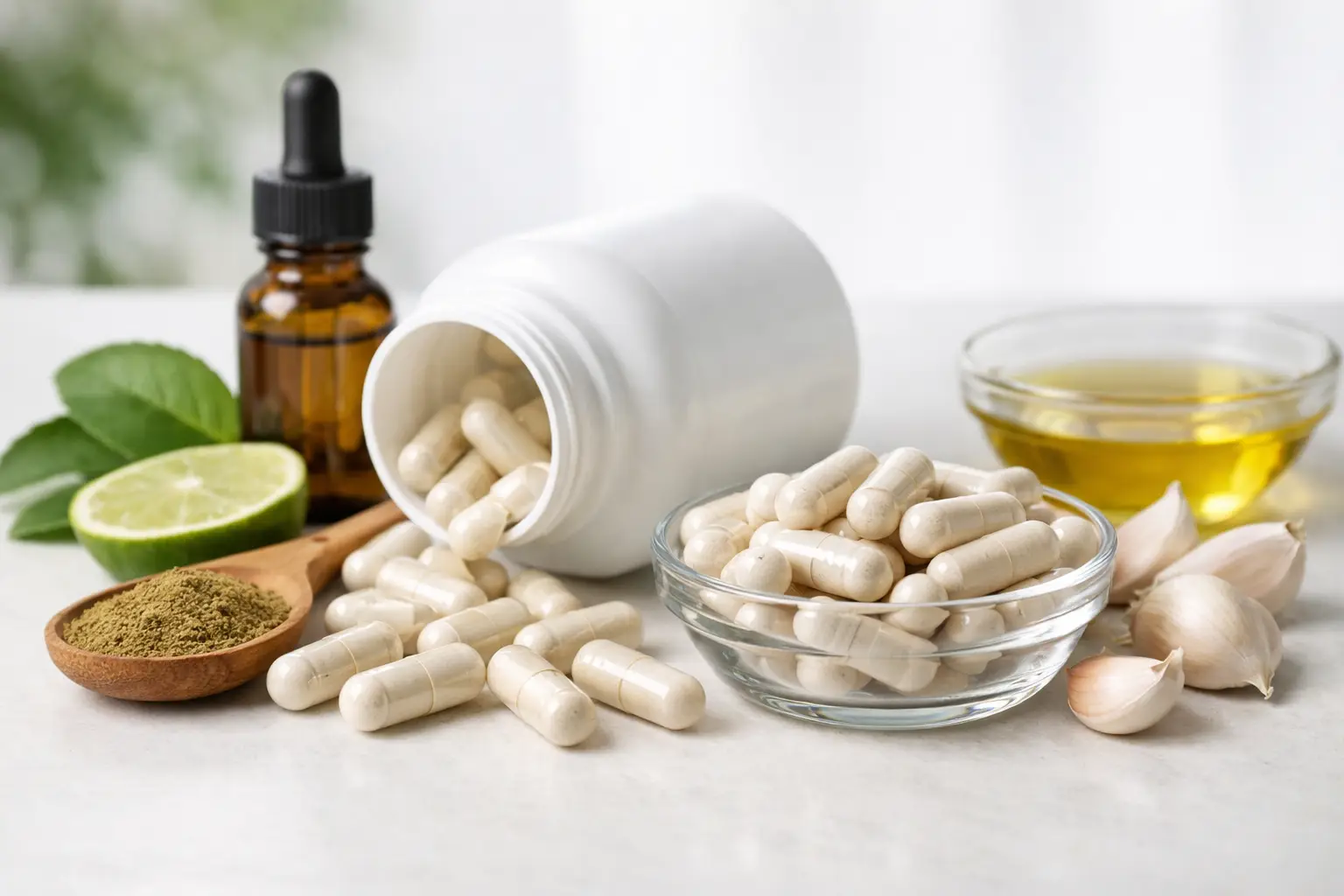

A clean ingredient ivermectin supplement may sound like a simple answer: fewer additives, more control, and a product you can keep on hand. But the first fact matters most: ivermectin is a drug, not a dietary supplement. A short ingredient panel can be a reasonable buying standard, yet it does not turn a medicine into a casual wellness product or prove it is right for every purpose.
No fillers. No fluff. That standard has value. It also requires clear thinking. The label, the dose, the testing, the source, and your own health history all matter more than a bold “clean” claim on the front of a bottle.
What “clean ingredient” should actually mean
“Clean” is marketing language unless a company shows what is in the product and what is not. For a human-use ivermectin product, shoppers should be able to identify the active ingredient, its strength per capsule or tablet, the inactive ingredients, the lot number, and the expiration date. If that information is vague or missing, walk away.
A simpler formulation may be preferable for people who avoid certain dyes, allergens, preservatives, or unnecessary excipients. That is a personal ingredient preference, not proof of greater effectiveness. Capsules still need supporting ingredients, and “nothing but ivermectin” is not always technically possible or desirable for manufacturing. What matters is whether every listed ingredient has a clear purpose and is disclosed plainly.
Lab testing can also mean different things. A meaningful quality program verifies identity, potency, purity, and contamination limits for the finished product or a traceable production lot. A generic statement such as “lab tested” is not the same as documentation tied to the item in your hand. Ask what was tested, when it was tested, and whether the results correspond to the product lot.
Ivermectin is not a detox product
This is where clean-label marketing can go too far. Ivermectin has recognized medical uses for specific parasitic infections when it is selected and dosed appropriately. It is not established as a general “internal cleanse,” a detox aid, immune booster, or daily health supplement.
Your body already processes and removes ordinary metabolic waste through the liver, kidneys, lungs, skin, and gastrointestinal system. If you have symptoms that make you think something is wrong – persistent stomach problems, unexplained weight changes, fever, rash, or fatigue – a bottle marketed for cleansing is not a substitute for finding the cause.
Being independent-minded does not require being careless. You can reject hype from every direction, including hype from brands that sell what you want to buy. The strongest consumer position is to demand evidence, transparent labeling, and straight answers.
A clean label cannot erase medication risks
Ivermectin can interact with other medicines and may be unsuitable for some people. Risk can depend on dose, body weight, liver function, pregnancy status, neurologic history, and other medications or substances being used. Products intended for animals are especially risky because formulations and concentrations can differ substantially from human products.
Too much ivermectin can cause serious harm. Warning signs can include confusion, severe dizziness, loss of coordination, fainting, seizures, vision changes, unusually low blood pressure, or trouble breathing. If these occur after taking a product, contact Poison Control or seek urgent medical care. Do not try to “wait it out” because the label looked clean.
A human-use product should never be treated as automatically safe simply because it is available without a prescription in a particular place. Retail availability and medical appropriateness are different questions. Laws, store policies, and product classifications can change, so confirm the current rules where you live rather than relying on old social-media posts or sweeping claims.
Questions worth asking before you buy
A seller should be able to answer practical questions without dodging. What is the exact ivermectin amount per unit? Is it specifically formulated and labeled for human use? What inactive ingredients are present? Who manufactured it? Is there lot-level traceability? What is the expiration date? What quality controls are used to check potency and contaminants?
Also ask yourself a harder question: why am I taking this? “Preparedness” is different from treating a current symptom, and treating a diagnosed parasitic infection is different from pursuing a vague wellness goal. Those situations should not be handled as if they carry the same evidence or risk.
Read the label like it matters
The most useful label is boring. It states exactly what the product is, how much it contains, who made it, and how to use it according to its approved or intended directions. It does not rely on mystery blends, dramatic before-and-after stories, or promises that it can fix a long list of unrelated conditions.
Be skeptical of language that tries to bypass basic questions. “Pharmaceutical-grade,” “clinical strength,” “pure,” and “clean” can all be meaningful only when backed by specific, verifiable details. A professional-looking website is not a quality standard. Neither are testimonials, influencer videos, or a large number of claimed customers.
If you are comparing a local seller such as Idamectin with any other option, keep the same standard for everyone. Local fulfillment may be convenient. Fast shipping may be useful. Neither one tells you whether a product fits your health needs. Ingredient transparency and responsible use come first.
When professional guidance is the practical move
Getting medical or pharmacy guidance is not surrendering your autonomy. It is how you protect it when the stakes are real. A qualified clinician or pharmacist can help identify potential drug interactions, evaluate symptoms that could point to an actual infection, and discuss whether ivermectin is appropriate for a specific diagnosis.
This is particularly important for people who are pregnant or breastfeeding, have liver disease, take multiple prescriptions, use sedating medicines, or have a history of seizures or neurologic conditions. Parents should not assume adult-oriented products are suitable for children. Dose and use are not details to improvise.
If access barriers have frustrated you before, focus that frustration on demanding better information and respectful care, not on abandoning safety checks. You deserve a clear conversation about benefits, limits, alternatives, and risks. That is a stronger form of health freedom than following any label blindly.
The bottom line on clean formulations
A clean ingredient standard can help you avoid unnecessary additives and choose products from sellers that disclose what they are offering. It cannot validate unproven detox claims, replace a diagnosis, or make a drug risk-free. The right question is not, “Does this sound natural enough?” It is, “Do I know exactly what this is, why I am using it, and what could go wrong?”
Keep your standards high. Choose transparency over slogans, human-use labeling over animal products, and real evidence over panic or promises. That approach leaves you in control without pretending that caution is weakness.