
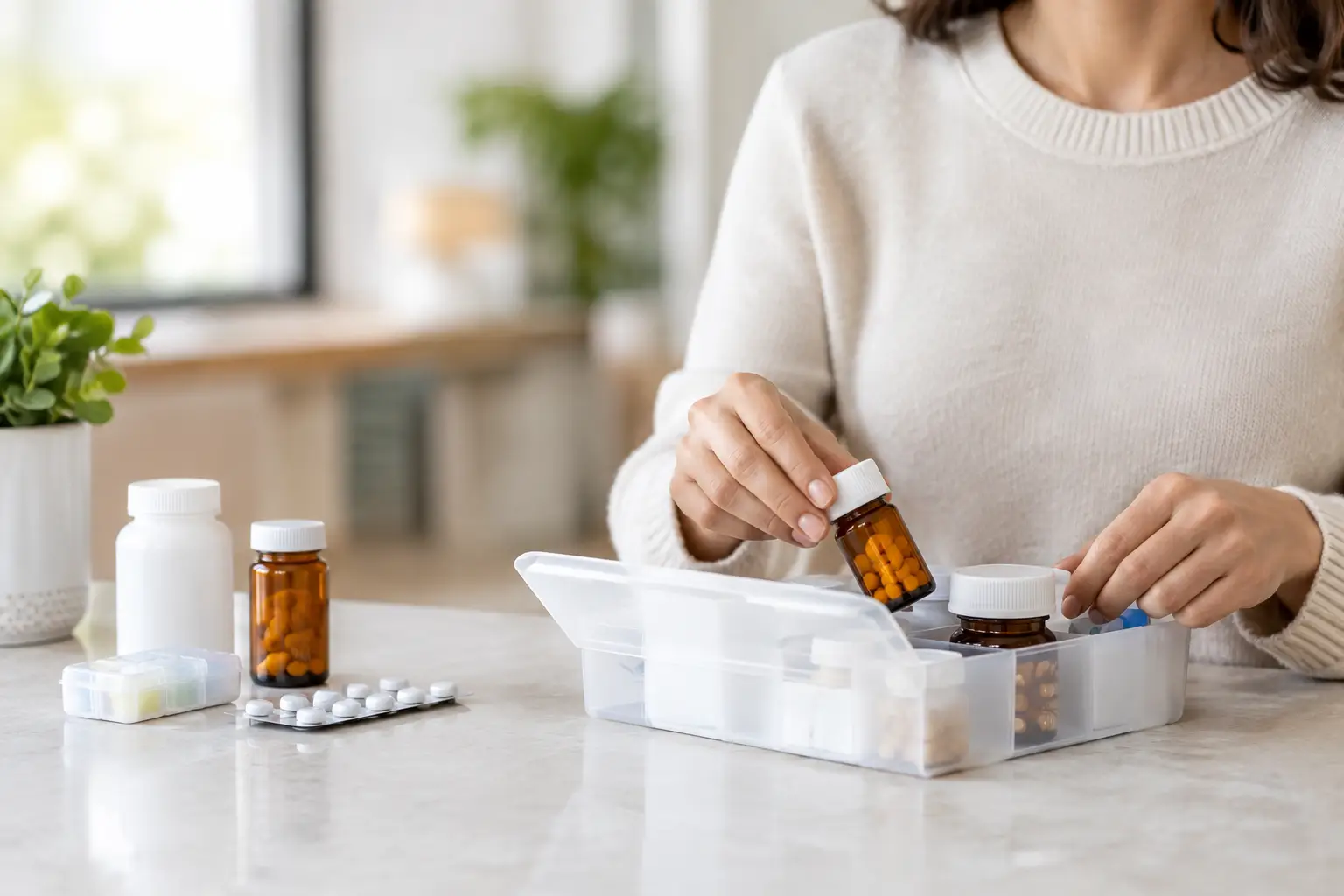

A medicine cabinet above a steamy shower is convenient. It is also one of the fastest ways to expose medications to heat and humidity they were never meant to handle. The best practices for medication storage are not complicated, but they do require a little discipline: keep products dry, labeled, secure, and easy to check before you need them.
That matters whether you keep a basic first-aid supply, daily prescriptions, over-the-counter pain relief, or preparedness items on hand. Buying medicine is only half the job. Storing it carelessly can lead to reduced effectiveness, damaged capsules or tablets, accidental access, and avoidable mix-ups.
Best Practices for Medication Storage Start With the Right Location
Most medications do best in a cool, dry place away from direct sunlight. A bedroom closet shelf, a high kitchen cabinet away from the stove, or a locked storage box in a climate-controlled room often works better than a bathroom cabinet.
Bathrooms are usually the wrong choice because showers create repeated humidity swings. Kitchens can be just as rough when products sit near an oven, dishwasher, sink, or sunny window. A windowsill may look tidy, but direct light and heat can break down sensitive ingredients over time.
Room temperature is usually the default unless the label says otherwise. Do not assume a refrigerator is automatically safer. Some medicines need refrigeration, while others can be damaged by freezing temperatures, moisture, or repeated temperature changes. Follow the package label and pharmacy instructions for the specific product in your hands.
Cars, garages, sheds, and outdoor storage areas are poor choices for most medications. Idaho weather can move from extreme cold to serious heat, and a parked vehicle can become far hotter than the outdoor temperature. Keep medicine inside where conditions are stable.
Keep Every Product in Its Original Container
Original packaging does more than look official. It carries the product name, active ingredient, strength, directions, expiration date, lot number, and warnings. Once pills are loose in an unlabeled bag or mixed container, certainty disappears fast.
Keep capsules, tablets, creams, and liquids in their original containers whenever possible. Leave moisture-control packets in bottles when they came with the product. They are there to help manage moisture, not to be tossed out with the seal.
Pill organizers have a place, especially for daily routines. But they should be a short-term tool, not permanent storage. Refill them carefully from labeled containers, keep them out of reach of children and visitors, and avoid putting look-alike medications in the same compartment.
Never combine different medicines in one bottle to save space. It invites dosing errors, makes expiration dates impossible to track, and can create problems if a child or emergency responder needs to identify what was taken.
Build a Storage System That Prevents Mix-Ups
A clean shelf is good. A clear system is better. Separate daily-use medications from occasional-use products and keep topical products away from oral medicines when possible. Creams, drops, powders, and capsules can have similar packaging, especially in low light when someone is in a hurry.
If multiple adults live in the home, give each person a clearly marked area or bin. Do not rely on memory. A simple label with a name can prevent one person from grabbing another person’s medication.
For a preparedness supply, use a small inventory card or note with the product name, strength, quantity, purchase date, and expiration date. Check it twice a year. This is no-fuss preparedness: know what you have before you need it.
Pay special attention to these common sources of confusion:
- Products with similar names or nearly identical bottles
- Different strengths of the same medication
- Children’s and adult formulations stored together
- Liquid medicines with missing measuring devices
- Medicines transferred from one household member to another
The goal is simple: no guessing. If you cannot clearly identify a product, do not take it until a pharmacist can help identify it.
Secure Access Without Making Medication Impossible to Reach
“Out of sight” is not enough when children, teens, guests, or pets are in the home. Children climb. Pets chew. Curious visitors open drawers. Medications should be stored up high and, when appropriate, in a locked cabinet, lockbox, or container.
A lockbox is especially useful for medications that can cause harm when taken by the wrong person, as well as for households with children or frequent visitors. Keep the key or combination private, but make sure a trusted adult can access essential medications in an emergency.
Security does not mean hiding medication so thoroughly that you forget it exists. Put it in a consistent location, tell the right household members where emergency supplies are kept, and maintain a simple list of what is stored there. Independence works best when it is organized.
Do not leave bottles in a purse, backpack, glove compartment, or on a bedside table where a child or pet can get to them. Convenience is not worth the risk.
Read Storage Directions for Each Medication
General rules are useful, but labels win. Some medicines require refrigeration after opening. Others must stay in the original blister pack. Certain liquid products have short use windows once mixed or opened, even if the printed expiration date is later.
For human-use ivermectin or any other medication, use only the storage directions provided with that specific product. Keep it in its labeled container, protect it from moisture and heat, and do not use a product with an altered appearance, damaged seal, or unclear label. Storage protects product quality, but it does not replace proper directions, dosing guidance, or medical advice when you need it.
If the label instructions are missing, the bottle is damaged, or you are unsure whether a medication needs special handling, ask a pharmacist. This is not giving up control. It is getting a straight answer before making a preventable mistake.
Check Expiration Dates Before They Become a Problem
Set a reminder to review your medication supply every six months. A seasonal reset works well: once in spring and once in fall. Pull products out, check expiration dates, inspect packaging, and update your inventory.
Do not assume an expired medicine is harmless or effective enough. Potency can change, and some products may not perform as intended after expiration. Also inspect products that have been exposed to unusual heat, moisture, or freezing temperatures. A bottle left in a hot car may deserve replacement even if the date is still current.
Write the opening date on products that have a limited period of use after opening. This is especially helpful for liquids, eye drops, creams, and anything that may become contaminated during normal use.
Avoid stockpiling more than you can reasonably rotate through before expiration. Preparedness is practical. A shelf full of forgotten, expired products is not.
Dispose of Unused Medicines the Safe Way
When a medication is expired, damaged, no longer needed, or unknown, remove it from your active supply. Do not pass it to a friend, save it “just in case” without checking the date, or leave it mixed in with current products.
A local medication take-back program is often the best option. If that is not available, follow the disposal instructions on the label. Some medicines have specific disposal guidance because accidental use can be especially dangerous.
Before discarding an empty container, scratch out or remove personal information on the label. Do not flush medicines unless the product instructions specifically direct you to do so. Keep the process simple, safe, and deliberate.
A well-kept medication supply is not about cluttering cabinets or treating every product casually. It is about knowing exactly what you have, keeping it protected, and making sure the medicine you reach for is the one you intended to use. A few minutes of organization now can prevent a much bigger problem later.