
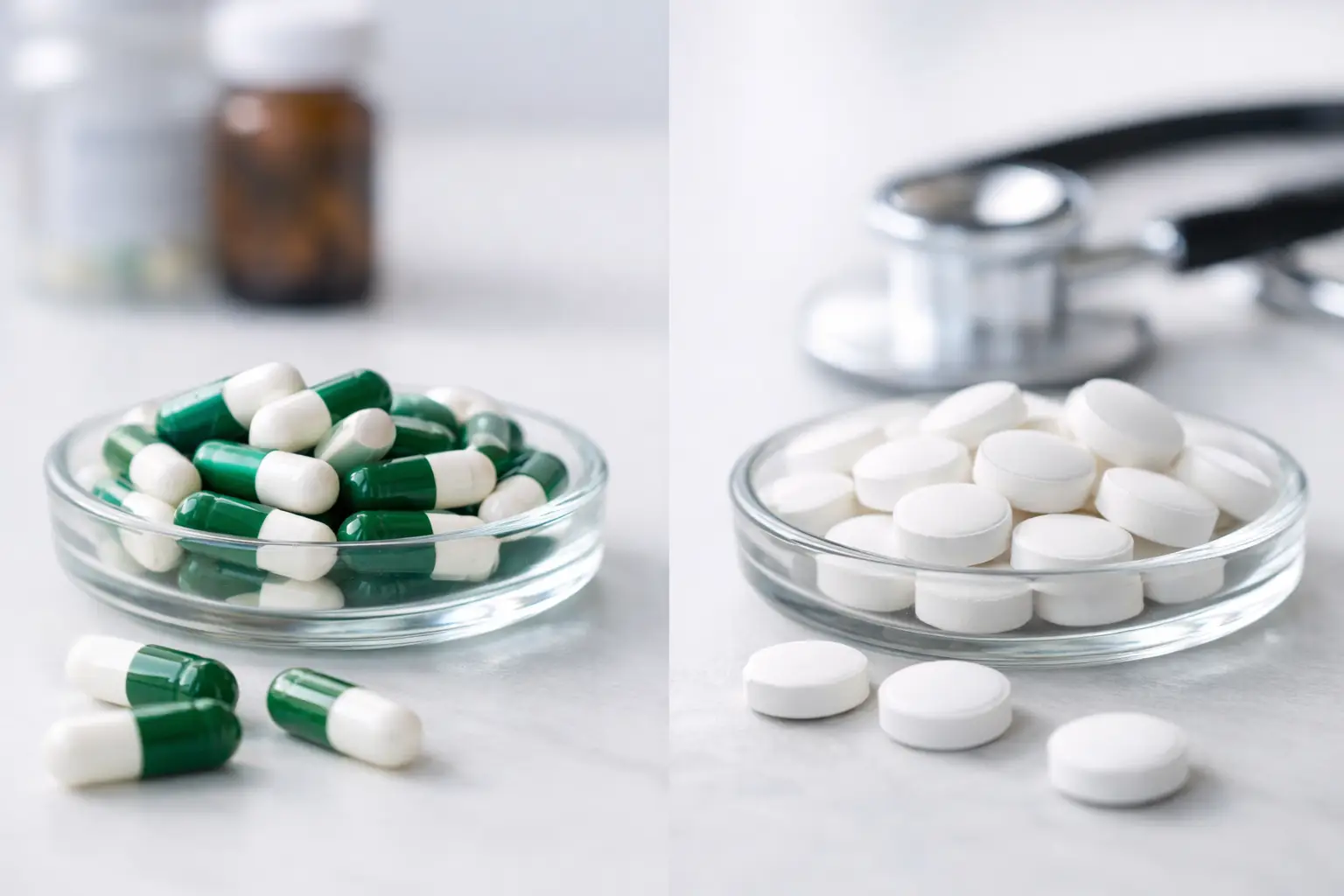

A capsule and a tablet can carry the same active ingredient, but they are not automatically interchangeable. When comparing ivermectin capsules vs tablets, the real questions are straightforward: What exactly is in the product, how much ivermectin does each unit contain, how is it labeled, and is it made for human use? No fluff. Those details matter more than the shape of the dose.
Ivermectin is a medication with specific approved uses for certain parasitic infections. It is not a general detox product, an “internal cleanse,” or a substitute for medical evaluation when you have symptoms that need attention. If you are considering any ivermectin product, start with the label and the source – not internet hype, not vague promises, and never a product made for animals.
Ivermectin Capsules vs Tablets: The Practical Distinction
The active ingredient may be ivermectin in either form, but the delivery system is different. A tablet is a compressed solid dose. It is made by pressing the active ingredient together with ingredients that help the tablet hold its shape, break apart after swallowing, and remain stable on the shelf.
A capsule places powder, granules, or sometimes a liquid preparation inside an outer shell. That shell is commonly gelatin or a plant-based material. Capsules can be easier for some people to swallow because they are smooth and do not have the hard, chalky feel of a tablet. Others prefer tablets because they are familiar, durable, and easier to identify when they carry an imprint.
Neither form wins by default. A capsule is not automatically purer, cleaner, stronger, or better absorbed simply because it is a capsule. A tablet is not automatically loaded with unwanted ingredients simply because it is pressed. The answer comes down to the actual formulation, manufacturer, quality controls, and labeled dose.
For shoppers who care about a simple ingredient profile, compare the inactive ingredients directly. Look for a full label that identifies the amount of ivermectin per capsule or tablet, the other ingredients, the manufacturer or dispensing pharmacy, a lot number, and an expiration or beyond-use date. “No fillers” can sound appealing, but every solid oral product needs some form of structure or delivery material. What matters is clear disclosure.
What Stays the Same
The dose form does not change ivermectin into a wellness supplement. The medication’s potential benefits, risks, side effects, and interactions still apply whether it comes in a capsule or tablet.
That includes the need to use a product only for an appropriate, evidence-based reason. Ivermectin can interact with other medications and may be unsafe for some people depending on their health history, liver function, pregnancy status, or other factors. Taking more because a product feels “natural” or because a capsule seems gentler is not a smart move.
The same rule applies to dosing accuracy. The number of capsules or tablets to take is never something to guess from social media, a friend’s experience, or a comparison to veterinary products. Products can contain very different concentrations. A small difference on the label can become a major difference in the amount consumed.
Why the Form Can Still Matter
There are practical reasons one person may prefer a capsule and another may choose a tablet. Convenience is real, but it should come after product verification.
Swallowing and comfort
Some adults struggle with large or rough tablets. Capsules may go down more easily with water, especially if the shell is smooth. On the other hand, some capsules can stick if taken without enough liquid. If swallowing pills is difficult, do not open, crush, or alter a product unless a pharmacist confirms that it is appropriate to do so.
Ingredients and sensitivities
Capsules and tablets can use different inactive ingredients. A tablet may contain binders, coatings, disintegrants, or colorants. A capsule may contain a gelatin or vegetarian shell plus ingredients inside the shell to help the powder flow and remain stable.
If you have an allergy, dietary restriction, or known sensitivity, this is one of the few areas where the capsule-versus-tablet choice can make a meaningful difference. Read beyond the front-label claims. The fine print is where you find out whether a product contains gelatin, dyes, lactose, gluten-containing ingredients, or other materials you prefer to avoid.
Identification and traceability
Many commercially manufactured tablets have imprints that help pharmacists and poison-control professionals identify them. Capsules may have printed markings, but not always. This does not make capsules unsafe. It does mean the packaging becomes even more important.
Keep ivermectin in its original labeled container. Do not transfer loose capsules or tablets into an unmarked bag, organizer, or bottle where they can be confused with another medication. If an unexpected reaction occurs, the exact label, lot number, and strength can help a pharmacist or clinician determine what was taken.
Stability and storage
Both formats need proper storage. Heat, moisture, sunlight, and a humid bathroom cabinet can degrade medications over time. Tablets may be somewhat more resistant to handling than capsules, while capsules can be more vulnerable to heat or moisture depending on the shell and contents.
Follow the product’s storage instructions, keep the container tightly closed, and do not use a product beyond its expiration or beyond-use date. A product that looks discolored, cracked, melted, leaking, or unusually soft should not be used.
Questions to Ask Before You Buy
A confident purchase is an informed purchase. Before choosing a human-use ivermectin capsule or tablet, get clear answers to these questions:
- Is the product specifically labeled for human use, with a stated ivermectin strength per unit?
- Who manufactured or dispensed it, and does the package include a lot number and date information?
- Are all active and inactive ingredients disclosed?
- Is the product being presented honestly as a medication, rather than dressed up with unsupported detox, prevention, or cure claims?
- Can a pharmacist help confirm whether the product is appropriate alongside your current medications and health conditions?
Those questions are not red tape. They are basic self-reliance. A clean-looking label and a bold sales page are not substitutes for transparent product information.
In the United States, commercially manufactured oral ivermectin products have commonly been available as tablets for approved medical indications. A human-use ivermectin capsule may be offered through a different manufacturing or dispensing pathway, including pharmacy compounding in some circumstances. That does not automatically make it inferior or superior. It does mean you should ask more about sourcing, oversight, labeling, and why that dosage form is being offered.
State-level access rules can change, and availability does not make every use appropriate. If a seller cannot plainly answer what is in the product, how much is in it, and who is responsible for it, walk away.
Do Not Confuse Human and Animal Products
This point deserves to be blunt: animal ivermectin is not a budget substitute for human-use medication. Veterinary pastes, drenches, injections, and pour-on products are formulated and labeled for animals, often at concentrations that make human dosing errors more likely. They may also contain inactive ingredients not evaluated for people.
The same caution applies to products with vague labels or miracle-language claims. “Farm strength,” “parasite cleanse,” and similar wording are not proof of quality, safety, or suitability. A legitimate human-use product should identify itself clearly and provide the basic information a consumer needs to make a responsible decision.
Choose Clarity Over Hype
The capsule-versus-tablet decision is usually less dramatic than marketers make it sound. Choose the format you can swallow comfortably, store correctly, and verify clearly. Prioritize a transparent label, human-use sourcing, accurate strength information, and a pharmacist’s input when medications or health conditions are involved.
Freedom to make your own choices works best when those choices are grounded in facts. Read the bottle. Ask direct questions. Keep your standards high.