
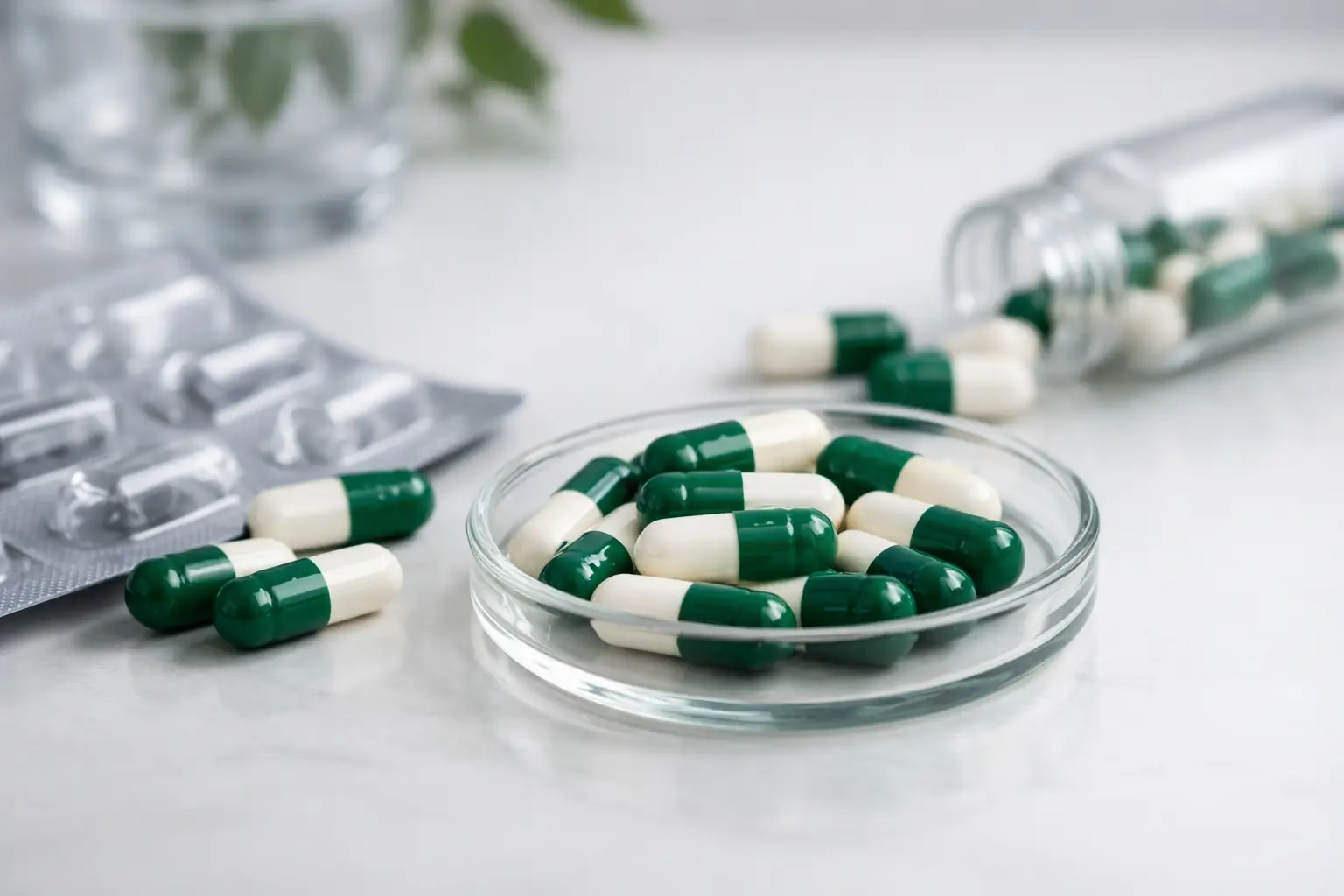

“No fillers” sounds simple. You want the active ingredient, a clean label, and nothing unnecessary. That is the appeal behind ivermectin capsules no fillers. But with any medication, the phrase deserves a closer look. A short ingredient list can be a meaningful preference, yet it does not automatically tell you whether a product is appropriate, accurately dosed, or safe for your individual situation.
Ivermectin is a real medication with established uses for specific parasitic infections. It is not a generic wellness supplement, a detox product, or a one-size-fits-all preparedness item. The strongest way to stay in control is to read the label carefully, ask direct questions, and involve a qualified pharmacist or clinician before using it.
Why “No Fillers” Gets Attention
People are tired of labels that read like a chemistry exam. It is reasonable to want fewer inactive ingredients, especially if you have known sensitivities, allergies, dietary restrictions, or prior problems with a medication formulation.
In a capsule, “fillers” usually refers to inactive ingredients, also called excipients. These can include materials that add bulk, help powder flow during manufacturing, protect the active ingredient, improve consistency between doses, or help the capsule break down as intended. Common examples include cellulose-based materials, magnesium stearate, silica, starches, or lactose.
That does not mean every excipient is bad. In many cases, it has a practical purpose. The question is not whether a label has the fewest possible words. The question is whether every ingredient is identified, the product is made under appropriate quality controls, and the formulation fits your needs.
A manufacturer should be able to plainly state what is in each capsule, including the active ingredient amount and all inactive ingredients. If the label is vague, skips the lot number, or treats basic product questions as an inconvenience, walk away. No fluff means giving people clear information, not asking them to take claims on faith.
Ivermectin Capsules No Fillers: Questions to Ask
A capsule marketed as having no fillers may mean it uses a minimal excipient profile. It may also mean the marketer is using the term loosely. Capsules generally require some form of capsule shell and may need additional ingredients to ensure accurate manufacturing and consistent dosing.
Before buying or using any ivermectin capsule, ask what “no fillers” specifically means for that product. Does it mean no artificial colors? No unnecessary binders? No lactose, gluten, dyes, or preservatives? Or does it claim there are literally no inactive ingredients at all? Those are different statements.
Look for a full Supplement Facts or Drug Facts-style label where applicable, or a prescription/compounded medication label that identifies the pharmacy, prescriber information when required, strength, directions, lot number, beyond-use or expiration date, and storage instructions. If it is a compounded preparation, ask who prepared it and whether the pharmacy is licensed to serve your state.
You should also understand the difference between a certificate of analysis and a broad safety guarantee. Lab testing may help confirm identity, potency, or the presence of certain contaminants for a particular lot. It does not prove a product will treat every condition claimed online. It also does not replace individualized medical screening for interactions, weight-based dosing, liver concerns, or neurologic risks.
Clean Labels Matter, but Dosing Matters More
The active ingredient is where the stakes are highest. Ivermectin dosing depends on the condition being treated, body weight, formulation, and other factors. Taking more because a capsule appears “clean” is not a smarter choice. Neither is copying a dose meant for someone else or using a product formulated for animals.
Human and veterinary products are not interchangeable. Animal formulations can have different concentrations, inactive ingredients, and delivery formats. Products intended for livestock or pets are not a workaround for human medical care.
Be skeptical of any seller that frames ivermectin as harmless because it has been used for decades. Long-standing use does not eliminate the need for correct diagnosis, correct dosing, and appropriate supervision. A drug can be useful in the right setting and still cause serious harm when misused.
Potential adverse effects can include nausea, diarrhea, dizziness, rash, fatigue, and headache. More serious reactions, while less common, can involve confusion, poor coordination, low blood pressure, seizures, or vision changes. Risk can increase with overdosing, certain medical conditions, and interactions with other medications. If someone has taken ivermectin and develops severe dizziness, fainting, confusion, trouble walking, seizures, or a serious allergic reaction, urgent medical help is needed.
Do Not Let Marketing Replace Diagnosis
The internet has turned ivermectin into a symbol for some people: freedom from gatekeepers, distrust of institutional messaging, and the desire to keep health choices close to home. Those concerns may feel personal and legitimate. Still, a medication should not become a political identity.
Ivermectin has approved and evidence-based uses for particular parasitic infections. It has not been established as a cure-all for viral illness, cancer, chronic “detox,” or general internal cleansing. Claims that it broadly clears the body of toxins or supports undefined wellness are not the same as clinical evidence.
That distinction protects independent-minded consumers. Real independence means refusing both blind trust and hype. It means asking, “What exactly is this intended to treat?” “What evidence supports that use?” and “What are the risks for me?” A product should hold up under those questions.
If you suspect a parasite, the practical first step is not to self-diagnose from a social media post. Symptoms such as diarrhea, abdominal pain, skin changes, fatigue, or weight loss can have many causes. Testing and a proper evaluation can identify whether a parasite is involved and which treatment makes sense.
A Smarter Standard for Simple Ingredients
A simple formulation can be a reasonable preference. For someone avoiding a specific ingredient, a minimal-excipient capsule may be easier to tolerate or more aligned with dietary needs. But simplicity should be paired with traceability.
Use this standard: clear ingredient disclosure, a verifiable source, proper storage and expiration information, and access to a pharmacist or clinician who can answer questions without dodging them. Be especially cautious if a product promises sweeping benefits, pressures you to buy immediately, or implies that regulatory and medical safeguards are always the enemy.
Medication quality is not measured by rebellious branding or by the length of a slogan. It is measured by whether the product is accurately identified, appropriately made, correctly selected, and used for a medically sound reason.
When to Talk With a Pharmacist or Clinician
A quick conversation is particularly valuable if you are pregnant or breastfeeding, have liver disease, have a history of seizures or neurologic conditions, take multiple medications, or are considering ivermectin for a child. The same is true if you have had prior allergic reactions to medications or inactive ingredients.
Bring the exact product label, including the strength per capsule and the full inactive ingredient panel. Ask whether the formulation is appropriate for the condition you are trying to address, whether there are interactions to consider, and what symptoms should prompt a call for help.
The cleanest choice is not always the bottle with the boldest “no fillers” claim. It is the choice made with clear labeling, honest evidence, and enough information to protect your health while keeping the decision firmly in your hands.