
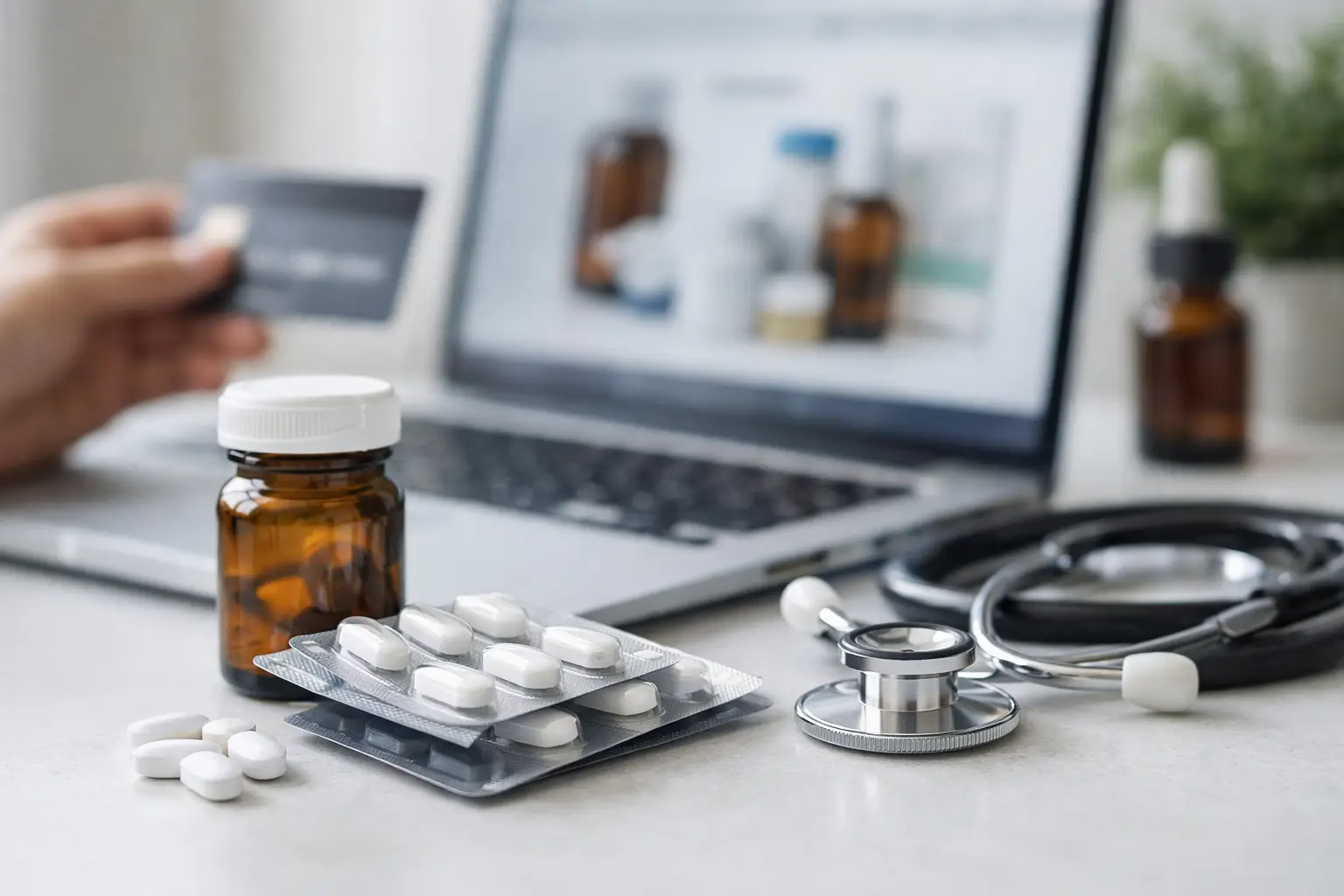

A search for human grade ivermectin online can produce polished product pages, aggressive promises, and confusing language about purity. Cut through it: ivermectin is a medication, not a casual wellness add-on. If you are considering it, the first job is confirming that the product is made for people, legally dispensed, and appropriate for your specific health situation.
No fillers and clear labeling may matter to a buyer, but those details do not replace medical oversight. The right product, dose, and reason for use depend on the person and the condition being treated.
What “Human Grade” Should Actually Mean
“Human grade” is often used as a marketing phrase. In practical terms, a human-use ivermectin product should be manufactured, labeled, and distributed for use in people under the standards that apply to human medications. It should identify the active ingredient, strength, dosage form, lot number, expiration date, manufacturer or distributor, and directions consistent with approved use.
That is different from veterinary ivermectin. Animal products can come in pastes, drenches, injectables, or concentrations designed for horses, cattle, dogs, or other animals. They are not interchangeable with human medication. Trying to convert an animal product into a human dose is risky, especially because concentrations and inactive ingredients vary widely.
Ivermectin does have approved human medical uses, primarily for certain parasitic infections. It is not a general “cleanse,” a detox product, or a proven all-purpose preventive medication. A product page cannot determine whether a symptom is caused by a parasite, whether ivermectin is the right treatment, or whether another condition needs prompt care.
How to Evaluate Human Grade Ivermectin Online
Convenience should not lower the standard. Before buying any medication online, start with the seller, not the slogan. A legitimate source should clearly identify who is dispensing the medication and provide a real business address and customer-service contact. If the site is vague about where the product comes from, who makes it, or what regulations apply, that is a reason to stop.
Be cautious when a seller makes sweeping claims that sound too good to question. Statements that a medication will broadly cleanse the body, solve unexplained symptoms, replace medical care, or work for nearly everyone are not a sign of independence. They are a sign that the seller may be putting a sale ahead of sound information.
A trustworthy medication listing should make it easy to review the product label before purchase. Look for the drug name, the amount of active ingredient per tablet or capsule, quantity, expiration information, and safety warnings. The listing should not conceal the product behind proprietary language or force you to guess what you are receiving.
Price can be useful information, but it is not proof of quality. A deeply discounted product with no traceable source can cost far more than it saves if it is counterfeit, expired, improperly stored, or mislabeled. Medication quality is not something to gamble on for the sake of a bargain.
Questions worth asking before checkout
Ask whether the source uses a licensed pharmacy or another lawful medication-dispensing pathway in your state. Ask who manufactured the product and whether the packaging will include a lot number and expiration date. Ask how the medication is stored and shipped, particularly during extreme heat or cold. If straightforward questions get evasive answers, do not hand over your payment information or your health information.
Be especially careful with websites that offer prescription medications without asking any health questions, while also claiming that every buyer is eligible. Rules differ by medication and location, but safe care is never built on pretending that individual medical history does not matter.
Your Health History Changes the Decision
Ivermectin is not right for every person. A clinician or pharmacist can help assess whether it fits the intended use and whether your medical history changes the risk. This matters for people who are pregnant or breastfeeding, managing liver problems, taking multiple medications, treating a child, or dealing with neurologic symptoms.
Medication interactions deserve a real conversation, not a quick guess based on a social-media post. Some drugs can affect how medicines are processed or increase the chance of unwanted effects. A pharmacist can review your full medication and supplement list, including products you may not think of as medicines.
Side effects can include nausea, diarrhea, dizziness, sleepiness, rash, or itching, depending on the reason it is used and the individual. More serious reactions require prompt medical attention. Seek urgent care for trouble breathing, swelling of the face or throat, fainting, confusion, severe weakness, seizures, major vision changes, or a rapidly worsening rash.
Do not use an online purchase to delay care for significant symptoms. Fever, severe abdominal pain, blood in stool, shortness of breath, persistent vomiting, unexplained weight loss, or neurological changes need proper evaluation. Self-treating without a diagnosis can mask the real problem while it gets worse.
Why Veterinary Products Are a Hard No
The label may say ivermectin, but the dosage form and concentration matter. Veterinary products are formulated and packaged for animals, often in amounts that make accidental overexposure easier. A horse paste or livestock solution is not a shortcut to a human medication.
Animal products may also contain inactive ingredients that have not been evaluated for human use in that formulation. Product directions are written for animal species and weights, not people. There is no responsible way to turn a livestock label into personal treatment advice.
If a website suggests that veterinary ivermectin is effectively the same as human medication, walk away. Being direct means being honest: products intended for animals belong in animal care, not in a home medicine cabinet for people.
Online Privacy Matters Too
Health purchases create a data trail. Before entering your name, address, or payment details, read the seller’s privacy practices. A medication retailer should not treat personal health information as a marketing asset to be shared freely with unrelated advertisers.
Use a secure payment method and avoid sellers who insist on unusual payment channels, such as cryptocurrency-only checkout, wire transfers, gift cards, or person-to-person payment apps. Those methods can make it difficult to dispute a fraudulent charge or recover money if no product arrives.
Keep your order confirmation, packaging, and product label. If there is a safety issue, suspected counterfeit product, or question about what you received, those details matter. Never take loose pills from an unmarked bag or container that lacks a clear label and expiration date.
The Bottom Line on Human Grade Ivermectin Online
The sensible standard is simple: choose human medication only, confirm that it comes through a legitimate and lawful source, review the complete label, and get individualized guidance before using it. “Easy to buy” is not the same as “safe to take.”
Being proactive about your health does not mean accepting every bold claim or treating medications like supplements. It means asking sharper questions, protecting your household from counterfeit and veterinary products, and using qualified medical advice when the answer affects your body. That is practical independence, with no fluff attached.