
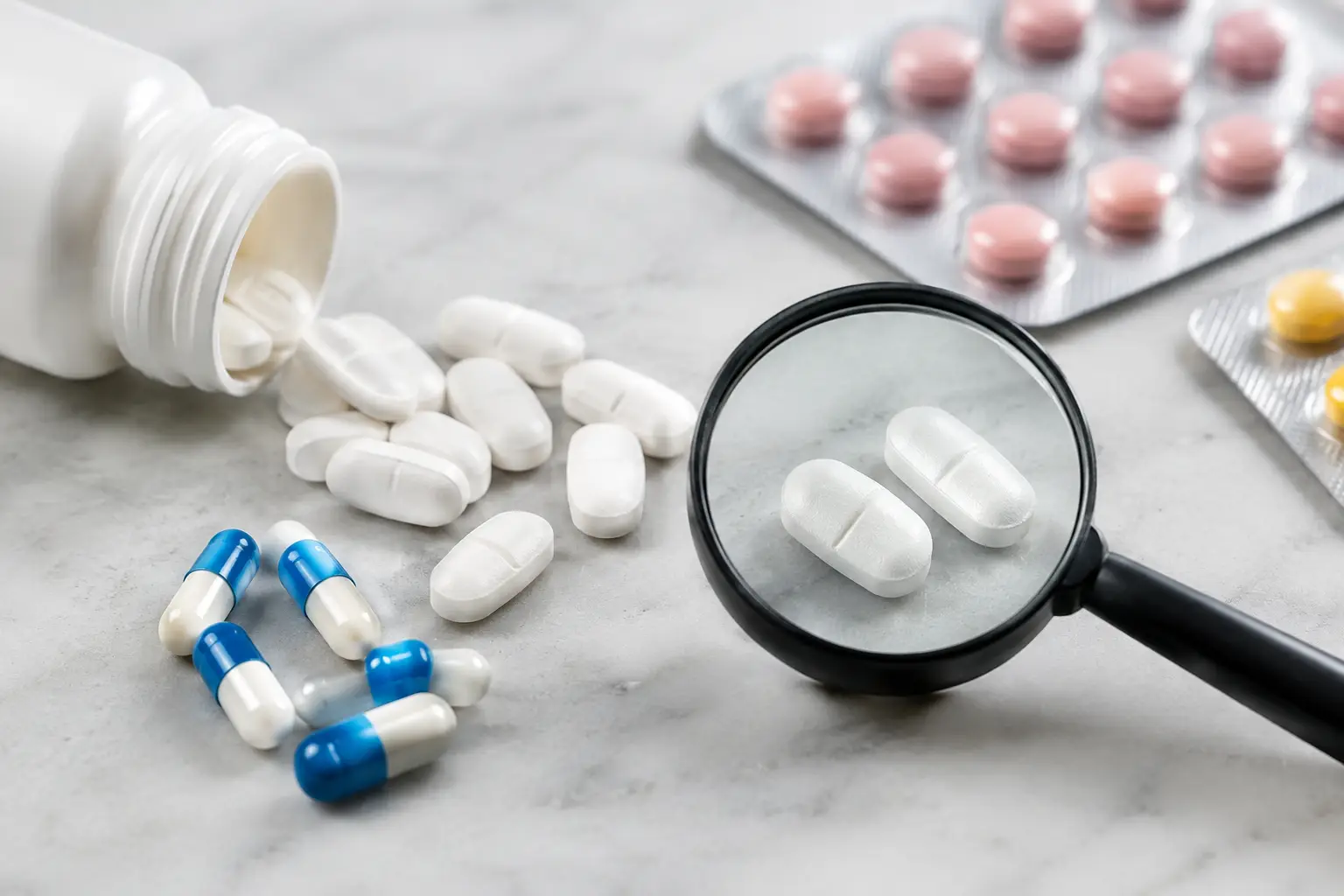

A capsule can look clean, sealed, and professional while still being the wrong product. That is the hard truth behind counterfeit drug identification examples: fake medicines do not always arrive in a crumpled bag with obvious spelling errors. Some copy legitimate labels closely. Others use real-looking lot numbers, polished websites, and promises designed to make buyers drop their guard.
Being proactive about your health should not mean accepting mystery products. Independence starts with verification, not blind trust. Whether you buy a common pain reliever, a supplement, or a medication for your home preparedness kit, knowing what to inspect can help protect you and your household.
What counterfeit drugs can look like
A counterfeit drug is a product deliberately made or presented to look like a legitimate medicine when it is not. It may contain no active ingredient, too much or too little of one, the wrong ingredient entirely, or contaminants that were never meant to be swallowed.
The danger is not limited to one type of medication. Counterfeits have appeared in products for pain, weight loss, sexual health, infections, anxiety, diabetes, and more. A fake product may cause no effect at all. It may also cause an unexpected reaction, delay real treatment, or expose someone to dangerous substances.
The point is simple: a label is not proof. A bottle is not proof. A low price is definitely not proof.
Counterfeit drug identification examples in real life
The following examples show the kinds of red flags a careful buyer may encounter. One sign alone does not always prove a product is fake. Several signs together should stop you from taking it until the source and product can be verified.
1. Packaging that is almost right
Counterfeit packaging often succeeds because it is close enough at first glance. The logo may be similar, the colors may match, and the bottle may have a tamper-evident seal. Look closer.
Warning signs include blurry printing, uneven label edges, mismatched fonts, faded colors, spelling mistakes, or a label that appears pasted over another label. Check whether the product name, strength, manufacturer name, expiration date, and lot number are clearly printed and consistent across the box, bottle, and insert.
A box that says one strength while the bottle says another is not a minor typo. Treat it as a stop sign.
2. Pills or capsules that do not match the description
Appearance can reveal problems, but it cannot confirm safety. A tablet that is the wrong color, shape, size, coating, or imprint compared with the product description may be counterfeit, damaged, or incorrectly dispensed.
For capsules, watch for inconsistent fill levels, loose powder, cracked shells, discoloration, odd odors, or residue inside the bottle. Legitimate manufacturing can involve minor variation, especially with certain products, but a batch should generally look consistent. If half the capsules are noticeably different from the others, do not assume that is normal.
Do not taste an unfamiliar tablet or open a capsule to “test” it. That is not a safe identification method.
3. A missing, altered, or suspicious lot number
Lot numbers and expiration dates help manufacturers trace products back to a specific production batch. A missing lot number, a smudged expiration date, or printing that scratches off easily deserves attention.
Also look for dates that seem unrealistic. A product sold as newly made but carrying an expiration date far beyond the expected shelf life may deserve a second look. The same applies if the lot number appears as a crooked sticker over the original package printing.
A lot number by itself does not guarantee legitimacy. Counterfeiters can copy real numbers. Still, missing or altered batch information removes one of the most basic accountability tools a buyer has.
4. A seller that will not stand behind the product
This is often the biggest clue. A legitimate seller should clearly identify who they are, provide a real business address or customer-service contact, and explain basic return or quality procedures. If a website has no way to reach a real person, no clear product details, and no meaningful business information, think twice.
Be especially cautious when a seller relies on high-pressure language, private messages, social-media comments, or payment methods with no buyer protection. “Limited supply,” “secret source,” and “no questions asked” may sound rebellious, but they are not quality controls.
The same goes for sellers claiming their product can treat every condition under the sun. Broad miracle claims are a sales tactic, not evidence of a carefully controlled product.
5. A price that makes no business sense
Everyone likes a fair price. But an unusually steep discount can signal diverted, expired, damaged, stolen, or counterfeit inventory. If a product is priced far below every established retailer, ask why.
Sometimes the answer is a legitimate clearance sale. Sometimes it is a product with no reliable chain of custody. The trade-off is not worth guessing when the product is something you may put in your body.
6. Broken seals and sloppy storage
A damaged seal does not automatically mean a product is counterfeit, but it does mean the product’s condition cannot be trusted. Avoid products with torn shrink bands, punctured foil, leaking bottles, loose lids, or evidence that a label has been removed and reapplied.
Storage matters too. Products left in extreme heat, direct sun, or damp conditions can degrade even if they are genuine. A seller shipping health products without basic protective packaging is showing you how little control they have over what arrives at your door.
What to do if a product seems suspicious
Do not take it “just once” to see what happens. Set it aside, keep the packaging, and take clear photos of the product, lot number, expiration date, receipt, and seller information. Those details can help a pharmacist, manufacturer, regulator, or payment provider investigate.
If the product was purchased from a local pharmacy, contact the pharmacy promptly. If it came from an online seller, contact the manufacturer through independently verified contact information, not only the phone number or email printed on the suspicious package. A manufacturer may be able to confirm whether the lot number, packaging, or seller matches its records.
If someone has already taken a suspected counterfeit medicine and feels unwell, seek urgent medical help. For possible poisoning or unexpected exposure, contact Poison Control at 1-800-222-1222 in the United States. Call emergency services right away for trouble breathing, chest pain, fainting, seizures, severe confusion, or signs of a serious allergic reaction.
Buy with a chain of accountability
There is nothing weak about asking hard questions before you buy. The smart standard is straightforward: know who made the product, who sold it, how it was stored, and how you can reach someone if there is a problem.
That may mean paying a little more or walking away from a deal that feels too convenient. It depends on the product and the source, but medicine is one area where “probably fine” is not a serious quality standard.
Keep your standards high. A product meant to support your health should come with clear labeling, traceable information, intact packaging, and a seller willing to put their name behind it.